What did they take time to learn?
A favorite radio station, the order of a morning routine, the story behind a photograph. Name something they noticed that helped the person feel known.
A personalized thank-you song for a caregiver
They learned how your loved one takes their tea. Made room for a familiar story. Helped an ordinary day still feel like their own. Give the person behind that care a song that says you saw it.
Create song Hear an example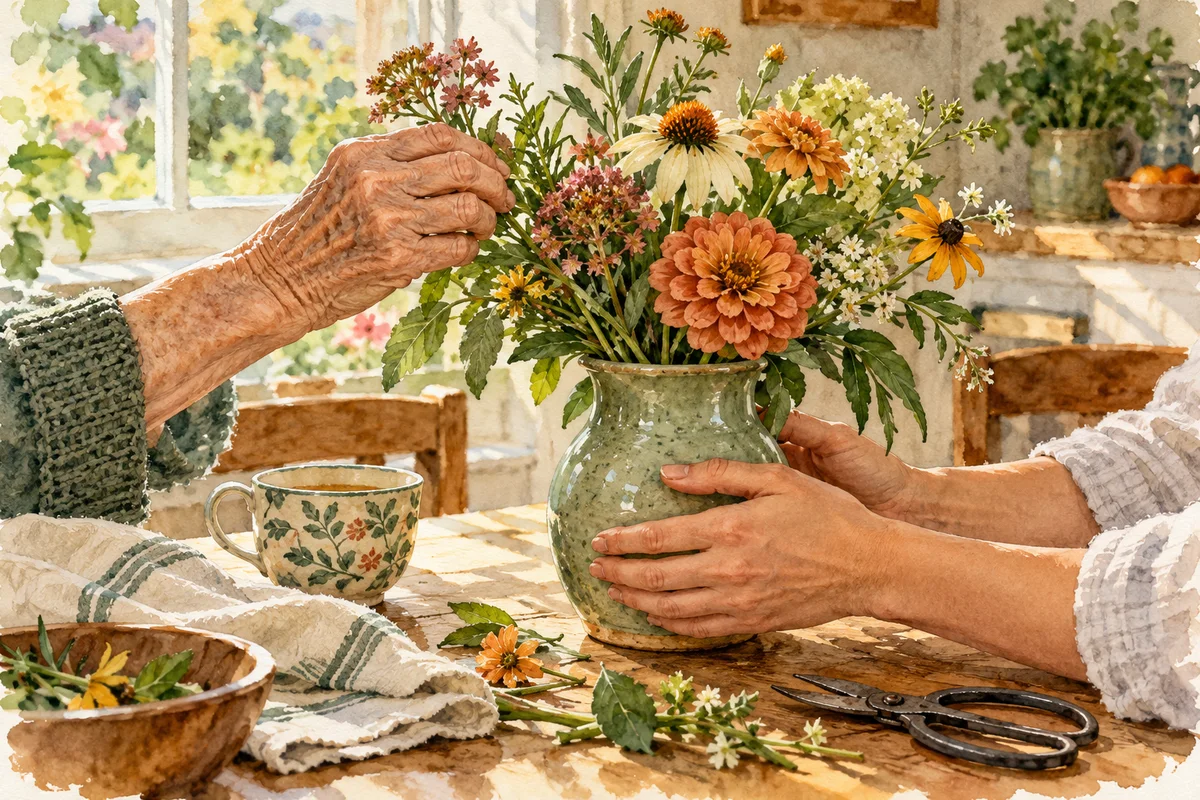
Your Kitchen Light is a song for a mother about everyday reassurance. Listen for how a familiar routine carries gratitude; your caregiver’s song will reflect their own relationship and the details you provide.
The strongest stories can hold both people: the caregiver’s thoughtfulness and your loved one’s personality, preferences and choices.
A favorite radio station, the order of a morning routine, the story behind a photograph. Name something they noticed that helped the person feel known.
An afternoon in the garden, choosing what to wear, a conversation at an unhurried pace. Focus on the lived moment and the attention behind it, rather than listing care tasks.
Speak directly about how they treated you and what mattered to you. You can thank them for listening, respecting your choices or making space for humor without describing your medical history.
Describe what you witnessed and the reassurance it gave you. A song can say ‘you learned Dad’s stories’ and ‘that meant so much to us’ without speaking on his behalf about feelings you don’t know.
An illustrative brief from a family member.
“Mum always liked to choose which flowers came inside. You made time for that, even when doing it yourself would have been quicker. She’d tell you where every plant came from, and you’d listen. I want to thank you for seeing the gardener and storyteller she is, and for the patience you brought to our home.”
Name the particular care you appreciated and keep the gesture easy to receive. A personal song page can be sent with a short note through the contact channel you normally use.
Recognize the ongoing work and the person doing it. Tell a sibling, partner or friend what you’ve noticed. You can pair the song with a concrete offer of help you’re able to follow through on.
Thank them for the time you shared without forcing a cheerful ending. A quieter song can hold affection, gratitude and the fact that this is a meaningful transition.
From your story to their song
StoryAnthem uses AI to turn the details you share into original lyrics and music. You don’t need to sing, rhyme, or know how to write a song.
Create songA few things to know
Yes. Tell us who the caregiver is, who they cared for and what you personally noticed. A few everyday details can make the thank-you recognizable without including diagnoses or other private information.
Yes. You can focus on their kindness and the moments of comfort or connection you remember. Let the song’s tone reflect what you want to say; it doesn’t need to make the experience sound happy or resolved.
Yes. Explain both relationships: who they are to you and whom they care for. Include something about them beyond caregiving, alongside the effort and attention you want to recognize.
The patience, the familiar routines and the kindness your family remembers.
Create song